

Psychedelic Medicine
Association
Psychedelic
Medicine
Association
This event has now concluded. You can learn more about the Psychedelic Medicine Association and become a member to attend our future webinars here.

President, Psychedelic Medicine Association

Psychopharmacology Consultant and Psychedelic Educator; Founder, Spirit Pharmacist LLC

Dr. Ben Malcolm earned his bachelor’s degree (BS) in pharmacology at the University of California at Santa Barbara, prior to his Masters in Public Health (MPH) and Doctorate of Pharmacy (PharmD) at Touro University California. He then completed post-graduate residencies in Acute Care at Scripps Mercy Hospital and Psychiatric Pharmacy at the University of California at San Diego Health.
Ben envisions a society in which access to psychedelic drugs in a variety of safe and supported settings is available for purposes of psychospiritual well-being, personal development, ceremonial sacraments, and treatment of mental illness. His focus is on the intersection between psychiatric medications and psychedelic therapies. He has given several Continuing Education presentations to pharmacists and other healthcare professionals as well as published over a dozen articles in peer-reviewed literature relating to psychedelics or psychiatric medications. His vision guides his clinical and education service-related professional activity.

CEO & Co-founder, Psychedelics Today
Joe Moore is the co-founder and CEO of Psychedelics Today, a leading media and education platform exploring the science and culture of psychedelics. Since 2016, he’s hosted hundreds of interviews with researchers, clinicians, and visionaries shaping the psychedelic renaissance. Joe also co-created Vital, a year-long training for practitioners, and teaches at the intersection of breathwork, philosophy, and integration. He lives in Colorado, where he leads Transpersonal Breathwork workshops and continues building psychedelic education worldwide.

Licensed Psilocybin Facilitator, Marriage & Family Therapist Associate, Trainer Faculty for Fluence
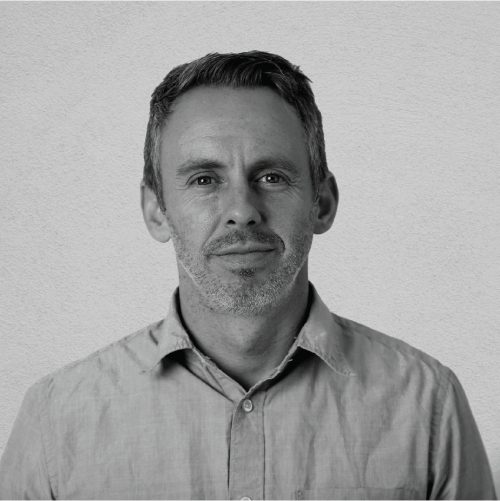
Kayli Howard has a MA in Clinical Psychology from Antioch University, where she trained as a Marriage and Family Therapist. In 2023 she received certification in Psilocybin-Assisted Therapy through Fluence. She is one of Oregon’s first licensed psilocybin facilitators. Since receiving licensure she has guided nearly 150 legal psychedelic journeys and was awarded the “Clients' Choice” in Althea's Psilocybin Outcome Awards. She trains upcoming psychedelic facilitators as a faculty member of Fluence’s Colorado Natural Medicine program.

Chief Medical Officer at Novamind/Co-founder at Cedar Psychiatry
Dr. Reid Robison is a board-certified psychiatrist and Chief Medical Officer at Novamind. Reid is co-founder at Cedar Psychiatry and serves as Medical Director of Center for Change, a top Eating Disorder program. He is currently the coordinating investigator for the MAPS MDMA-assisted Psychotherapy study of Eating Disorders. Reid is adjunct faculty at the University of Utah, founder of the Polizzi Free Clinic, and provides medical support and psychedelic therapy at plant medicine retreats abroad.
As medications such as Ozempic (semaglutide) and Mounjaro (tirzepatide) become increasingly common for metabolic health, weight management, and other emerging indications, practitioners across the psychedelic ecosystem are encountering a new question: how do GLP-1 receptor agonists intersect with psychedelic therapies and experiences?
These medications alter appetite, gastric emptying, metabolism, and potentially reward pathways in the brain – systems that may also influence psychedelic pharmacology, subjective experiences, and preparation or integration processes.
At the same time, many individuals pursuing psychedelic experiences – whether in clinical trials, therapeutic settings, retreats, or community contexts – are already taking GLP-1 medications. Understanding the potential physiological, psychological, and practical implications is becoming increasingly important for clinicians, guides, and facilitators.
This webinar will explore what we currently know, what remains uncertain, and how practitioners can approach these situations thoughtfully and safely.
In this webinar, our panelists will cover:
… and much more!
As always, there will be ample time for audience Q & A, so you’ll get to interact with the panelists directly!
So please join us for this live panel discussion on Wednesday, March 25th at 5 pm Pacific, 8 pm Eastern. A link to the recording will be available afterward if you cannot make it to the live event.
Hope to see you all on the 25th!
You can find the Psychedelic Medicine Association on Twitter, LinkedIn, and on Facebook.