
Psychedelic Medicine

Association

Psychedelic

Medicine

Association
Integrating Ketamine with Adjunct Therapies: TMS, Spravato, and More

Log in to Watch the Recording

*Exclusive for members.

Tuesday, September 30th at 5 pm Pacific, 8 pm Eastern

An EXCLUSIVE Panel Discussion for Members of the Psychedelic Medicine Association:

Integrating Ketamine with Adjunct Therapies: TMS, Spravato, and More

Host:

Lynn Marie Morski, MD, JD

Lynn Marie Morski, MD, JD

President, Psychedelic Medicine Association

Panelists:

David Feifel, MD, PhD

David Feifel, MD, PhD

President & Founder, Kadima Neuropsychiatry Institute
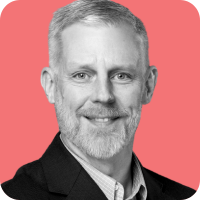
Dr. David Feifel is a psychiatrist and neuroscientist whose career has focused on developing more effective treatments for mental illness. He is a Professor Emeritus of Psychiatry, at UCSD, and President/Founder of Kadima Neuropsychiatry Institute in La Jolla.

After earning an MD and PhD in Neurobiology from the University of Toronto, Dr. Feifel completed psychiatry residency at UCSD, and then joined UCSD’s Psychiatry Department, rising through the academic ranks to full professor.

During his two decades at UCSD, Dr. Feifel ran a NIH-funded, bench-to-bedside, translational research program. He also established several pioneering clinical programs including the world’s first ketamine infusion program for depression (2008). He has published over 150 peer-reviewed papers in top medical journals such as the New England Journal of Medicine, and his work has been featured in many popular publications including the New York Times, Time magazine and Scientific America. Dr. Feifel sits on several expert committees and boards, including the National Network of Depression Centers task force on psychedelic therapy and the expert faculty committee of the American Society of Ketamine Providers (ASKP).

In 2017, Dr. Feifel founded Kadima Neuropsychiatry Institute with the vision of creating a center specializing in providing all the most advanced treatments while also facilitating the development of ever better ones through research and innovation. Currently Kadima provides roughly 4000 ketamine and esketamine treatments a year and is investigating several psychedelics, including psilocybin, LSD and 5-MeO DMT. through ongoing clinical trials, Through its “Project Africa,” Kadima is also helping health officials in Rwanda bring ketamine and psychedelic therapy to that country.
William Sauvé, MD

William Sauvé, MD

Chief Medical Officer, Osmind

William Sauvé, MD is Chief Medical Officer at Osmind, where he focuses on driving the success of Osmind’s nationwide network of 800+ independent psychiatry practices and expanding access to cutting-edge psychiatric care.
Dr. Sauvé brings extensive experience in interventional psychiatry, particularly in expanding access to treatments like Transcranial Magnetic Stimulation (TMS) and esketamine. Prior to joining Osmind, he served as Regional Medical Director for Greenbrook TMS NeuroHealth Centers, where he helped grow the organization's network to nearly 200 dedicated interventional psychiatry centers nationwide.
His journey in psychiatry began with 11 years of distinguished service as an active-duty Navy psychiatrist. Following his residency, he was deployed to Iraq's Al Anbar Province as the regimental psychiatrist for the 7th Marine Regiment. During his time in the military, he started a procedural psychiatry program that included ECT and patient engagement in post-traumatic stress disorder (PTSD) treatment. 
After his military service, he served as Military Clinical Director at Poplar Springs Hospital for three years before founding Virginia Interventional Psychiatry, one of the first interventional psychiatry practices in the Mid-Atlantic region. His practice, dedicated to advancing TMS treatment, was the first practice acquired into what is now Greenbrook TMS NeuroHealth Centers, contributing to their nationwide expansion in providing TMS and esketamine treatments.
Dr. Sauvé received his medical degree from the Uniformed Services University of the Health Sciences in Bethesda, Maryland. He completed his residency in adult psychiatry through the National Capital Consortium, which includes the Walter Reed National Military Medical Center, Fort Belvoir Community Hospital, and USUHS. He earned his undergraduate degrees in Biology and Biochemistry from Mercyhurst College in Erie, Pennsylvania.
He is certified by the American Board of Psychiatry and Neurology and serves as faculty at the Neuroscience Education Institute. He maintains an active membership in the American Psychiatric Association and the Clinical Transcranial Magnetic Stimulation Society.

Kayli Howard, MA

Licensed Psilocybin Facilitator, Marriage & Family Therapist Associate, Trainer Faculty for Fluence

Kayli Howard has a MA in Clinical Psychology from Antioch University, where she trained as a Marriage and Family Therapist. In 2023 she received certification in Psilocybin-Assisted Therapy through Fluence. She is one of Oregon’s first licensed psilocybin facilitators. Since receiving licensure she has guided nearly 150 legal psychedelic journeys and was awarded the “Clients' Choice” in Althea's Psilocybin Outcome Awards. She trains upcoming psychedelic facilitators as a faculty member of Fluence’s Colorado Natural Medicine program.
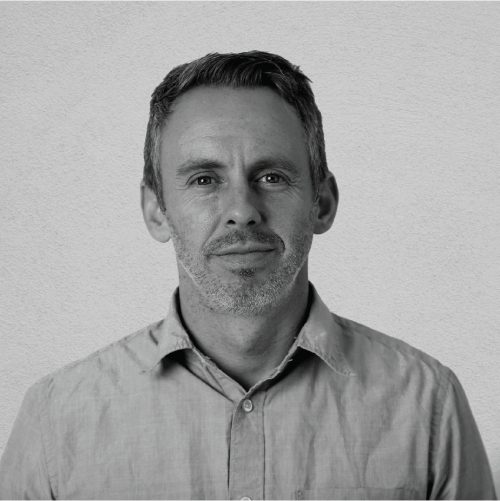
Reid Robison, MD, MBA

Chief Medical Officer at Novamind/Co-founder at Cedar Psychiatry

Dr. Reid Robison is a board-certified psychiatrist and Chief Medical Officer at Novamind. Reid is co-founder at Cedar Psychiatry and serves as Medical Director of Center for Change, a top Eating Disorder program. He is currently the coordinating investigator for the MAPS MDMA-assisted Psychotherapy study of Eating Disorders. Reid is adjunct faculty at the University of Utah, founder of the Polizzi Free Clinic, and provides medical support and psychedelic therapy at plant medicine retreats abroad.

As the field of ketamine therapy evolves, practitioners are exploring ways to make it an even more effective tool for addressing depression and other psychiatric conditions by combining it with a growing range of adjunctive therapies, such as transcranial magnetic stimulation (TMS) and esketamine (Spravato).

This month’s webinar will provide an overview of the mechanisms of action, efficacy data, and clinical applications of these therapies and others, with a focus on best practices for adjunctive use. Our panelists will address patient selection criteria, safety considerations, and strategies for sequencing or combining treatments. Real-world case examples will illustrate practical approaches to integration across diverse clinical settings.

In this webinar, experts will break down:

  • Appropriate patient populations and selection criteria for adjunctive therapy
  • Current evidence regarding the efficacy and safety of combining or sequencing these treatments
  • Mechanisms of action and clinical indications for ketamine, TMS, and esketamine (Spravato)
  • Best practices for integrating these modalities into individualized treatment plans for patients with mood disorders

As always, there will be ample time for audience Q & A, so you’ll get to interact with the panelists directly!

So please join us for this live panel discussion on Tuesday, September 30th at 5 pm Pacific, 8 pm Eastern. This is exclusively for members of the Psychedelic Medicine Association, so if you have not yet registered, please do so here. And for members, please register for the panel here. A link to the recording will be available afterward if you cannot make it to the live event.

You can find the Psychedelic Medicine Association on Twitter, LinkedIn, and on Facebook.