

Psychedelic Medicine
Association
Psychedelic
Medicine
Association
Psilocybin therapy, whether delivered via psilocybin mushrooms, microdosing, or full-dosage psilocybin-assisted therapy protocols, holds promise for treating a range of mental health conditions. However, along with its therapeutic potential come important considerations around managing medical risk in psilocybin therapy.
The training offers healthcare professionals a comprehensive framework for safely guiding patients through psilocybin therapy. Participants learn how to assess appropriate psilocybin dosage, distinguish between microdosing and full psilocybin-assisted therapy, and apply evidence-based psilocybin therapy safety guidelines. A strong emphasis is placed on patient screening for psilocybin therapy, with detailed instruction on recognizing psilocybin contraindications and evaluating potential medical and psychiatric risks. The program also covers how to anticipate, identify, and manage adverse effects of psilocybin-assisted therapy, including psychological distress and physical side effects.
Trainees gain practical tools for developing protocols that minimize medical risk in psilocybin therapy, ensuring ethical and effective practice. By completing this training, professionals are better equipped to create safe therapeutic environments, apply risk-management strategies, and support patients in harnessing the potential of psilocybin mushrooms within a structured and clinically responsible setting.
Background on Psilocybin
Its Effects on the Body and Brain, Differences from Other Psychedelics, History of Use
Legality and State Programs
Psilocybin Legality, the Oregon Psilocybin Services Act, and the Colorado Natural Medicines Health Act
Research-Investigated Indications
Alcohol Use Disorder, End-of-Life Anxiety, Tobacco Cessation, Demoralization, Depression, Bipolar Type II, Eating Disorders
Managing Medical Risk in Patients Seeking Psilocybin Therapy
Medical and Psychiatric Considerations, Psilocybin Pharmacology, and Drug-Drug Interactions
After completing this activity, the participant should be better able to:

President, Psychedelic Medicine Association; Host, Psychedelic Medicine Podcast
Lynn Marie Morski, MD, JD, is president of the Psychedelic Medicine Association and host of the Psychedelic Medicine Podcast. She sits on the advisory boards of VETS, Inc (Veterans Exploring Treatment Solutions), Psychedelics Today, Ketamine Task Force, and Cybin. Dr. Morski received her medical degree from St. Louis University School of Medicine, completed family medicine residency at Mayo Clinic, and did her sports medicine fellowship at the University of Arizona. She later received her law degree from Thomas Jefferson School of Law and is a member of the California Bar.
Consultant/Advisory Board:
Non-Mutual funds/Stock Ownership/Stock options:
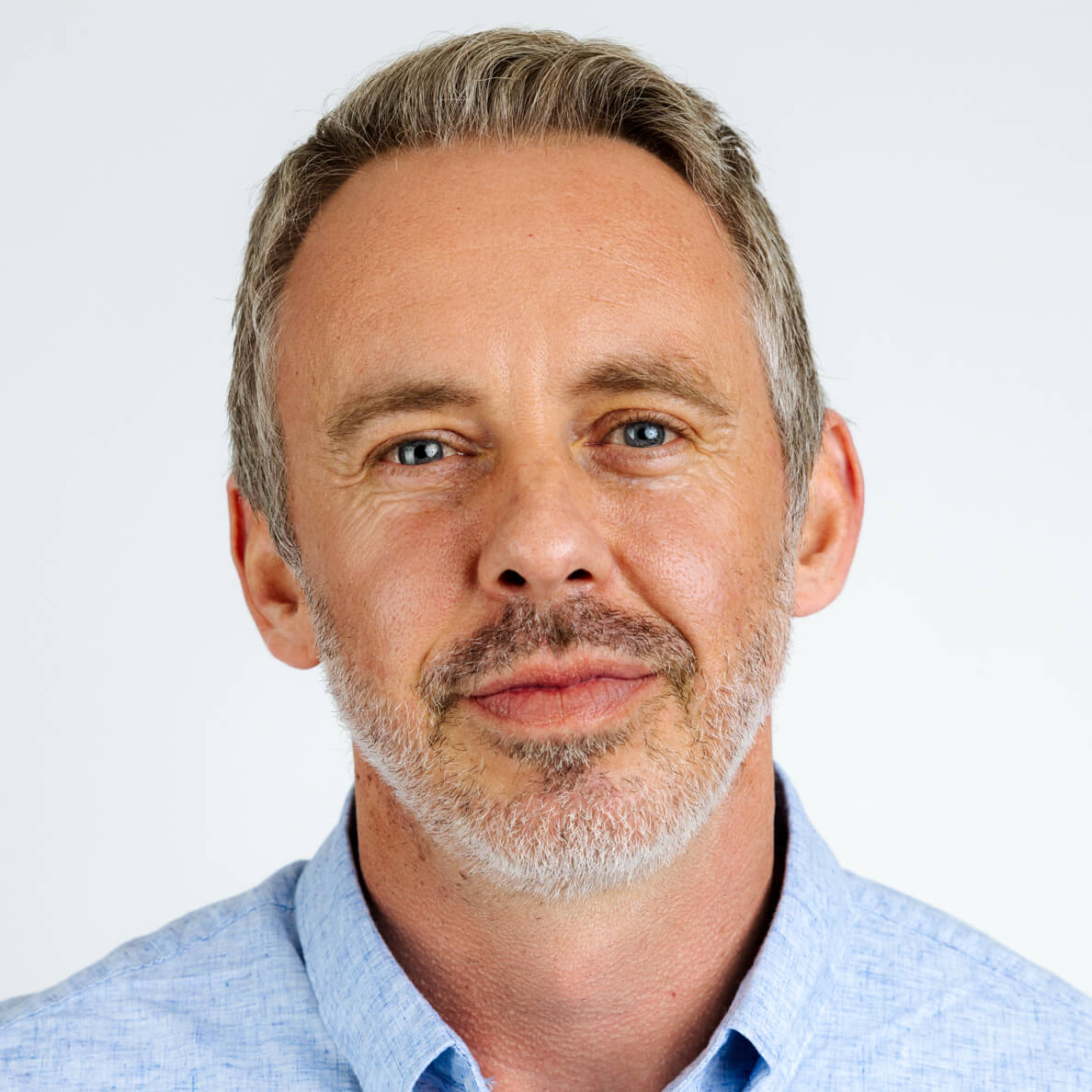
Chief Clinical Officer, Numinus; Board Member, Psychedelic Medicine Association
Dr. Reid Robison is a board-certified psychiatrist and Chief Clinical Officer at Numinus, and oversees the clinical services, including teaching and training in ketamine-assisted psychotherapy, for the company’s clinics across the US and Canada. He has led over 200 clinical trials in neuropsychiatry, and previously served as coordinating investigator for the MAPS-sponsored MDMA-assisted psychotherapy study of eating disorders. He is currently principal investigator for a number of psychedelic medicine studies with psilocybin, LSD and DMT. As an early adopter and researcher of ketamine in psychiatry, Dr. Robison got his first grant to study ketamine in 2011, and around that time also led a pivotal IV ketamine study for treatment-resistant depression by Janssen. To date, Dr. Robison has guided thousands of ketamine therapy journeys and Spravato dosing sessions, and has worked in ayahuasca retreat settings abroad. Dr. Robison is also an adjunct professor at both the University of Utah and Brigham Young University.
Reid Robison, MD, MBA
Employee/Owner:
Grant/Research Support:
Speakers Bureau/Honoraria for non-CME:
Consultant/Advisory Board:
Non-Mutual funds
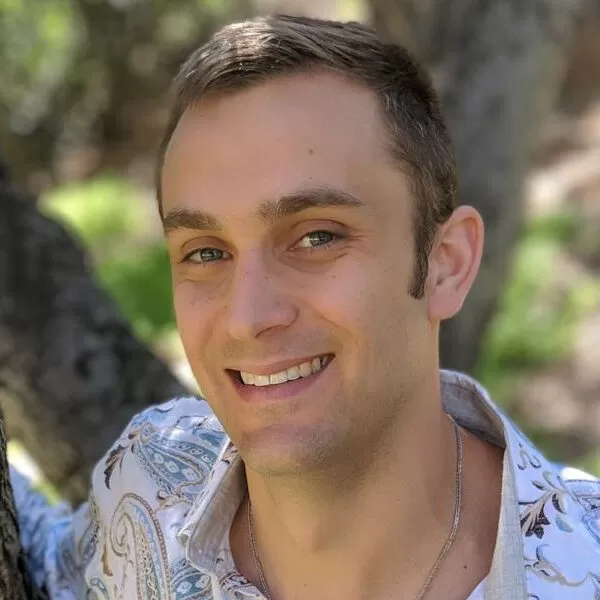
Founder, Spirit Pharmacist LLC
Dr. Ben Malcolm earned his bachelor’s degree (BS) in pharmacology at the University of California at Santa Barbara, prior to his Masters in Public Health (MPH) and Doctorate of Pharmacy (PharmD) at Touro University California. He then completed post-graduate residencies in Acute Care at Scripps Mercy Hospital and Psychiatric Pharmacy at the University of California at San Diego Health.
After residency he passed his exam to become Board Certified in Psychiatric Pharmacy (BCPP). He began his career as an Assistant Clinical Professor at Western University of Health Sciences (WUHS), College of Pharmacy before transitioning to his current entrepreneurial role as a Psychopharmacology Consultant, Psychedelic Educator, and Founder of Spirit Pharmacist.
Ben envisions a society in which access to psychedelic drugs in a variety of safe and supported settings is available for purposes of psychospiritual well-being, personal development, ceremonial sacraments, and treatment of mental illness. His focus is on the intersection between psychiatric medications and psychedelic therapies. He has given several Continuing Education presentations to pharmacists and other healthcare professionals as well as published over a dozen articles in peer-reviewed literature relating to psychedelics or psychiatric medications.
His vision guides his clinical and education service-related professional activity.
Speakers Bureau/Honoraria for non-CME:
Consultant/Advisory Board:
Non-Mutual funds Stock Ownership/Stock options:

Colorado Director, Healing Advocacy Fund
Tasia Poinsatte serves as the Colorado Director of the Healing Advocacy Fund (HAF), a nonprofit that works to protect and expand safe, affordable state-regulated access to psychedelic healing for all who need it. Her role involves extensive community engagement, bringing a range of perspectives, knowledge and experience into Colorado’s policy process to set up a state-regulated psilocybin therapy program that is responsive to the diverse needs of those who will seek guidance and care in the new licensed framework. Prior to joining HAF, Tasia conducted research and advised strategy on progressive campaigns and causes in the US and internationally. Her background in qualitative and quantitative public opinion research informs her understanding of how to navigate and engage a tapestry of experiences, values and worldviews, seeking where possible to find the common threads that connect us.
None
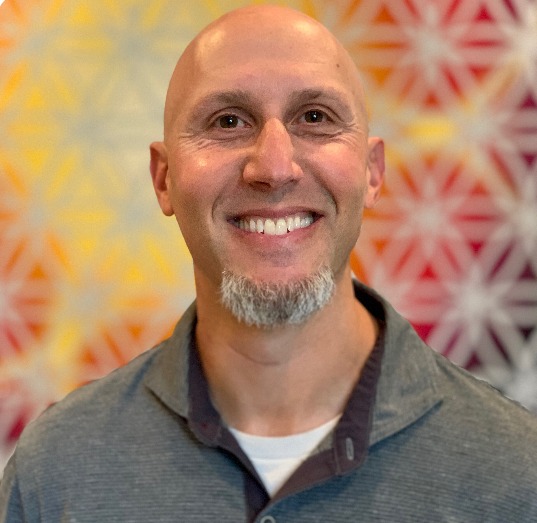
Founder, Cascade Psychedelic Medicine
Dr. Seth Mehr graduated from Williams College in Williamstown, MA with a major in Psychology, a minor in Neuroscience, and Magna Cum Laude and Phi Beta Kappa honors. He attended Emory University School of Medicine in Atlanta, GA, and graduated with Alpha Omega Alpha honors.
In 2000, Dr. Mehr moved to Portland, OR to join the Emergency Medicine Residency program at OHSU. He served as a Chief Resident in his final year and went on to work as a full-time Emergency Department physician at Providence St. Vincent Medical Center for 18 years. He has over two decades of experience treating medical and psychiatric emergencies.
Working in traditional medical environments for the bulk of his career, he treated innumerable patients whose needs were not met by our current mental health system. When a mental health crisis affected his own family and traditional treatments failed, he began to explore other options. He learned the power, efficacy, and rapid improvement achieved through psychedelic medicine and has dedicated myself to its practice.
None
Participants have an implied responsibility to use the newly acquired information to enhance patient outcomes and their own professional development. The information presented in this activity is not meant to serve as a guideline for patient management. Any procedures, medications, or other courses of diagnosis or treatment discussed or suggested in this activity should not be used by clinicians without evaluation of their patient’s conditions and possible contraindications and/or dangers in use, review of any applicable manufacturer’s product information, and comparison with recommendations of other authorities.
The purpose of this course is to educate healthcare providers so that when patients ask if psilocybin therapy is appropriate for them, those providers will be able to do an informed risk assessment with the patient.
In order to get clinicians comfortable with having these conversations and doing these assessments, the course covers the basics of psilocybin therapy, the indications for which psilocybin therapy has shown promise in clinical research, the pharmacology of psilocybin (including drug-drug interactions), and the medical risks associated with psilocybin therapy.
This course is designed for healthcare providers. It focuses on teaching practitioners how to conduct risk assessments that consider both mental and physical health factors, making it suitable for anyone who evaluates both aspects in their patients.
The course is self-paced and consists of four modules, each taking approximately 30 minutes to complete. So, the total duration of the course is about two hours.
After completing this activity, the participant should be better able to:
The course is structured into four modules, each containing lecture slides. There is also a final exam at the end of the course.
No, this course is not accredited
The course is included as a membership benefit for all Psychedelic Medicine Association members. For healthcare professionals, annual membership dues for the PMA are $275 USD. For more information on membership tiers and benefits, see our membership page.
No, this course is not meant to provide you with the necessary qualifications to provide psilocybin therapy. It is meant to provide you with the knowledge and tools to manage medical risks associated with psilocybin therapy.
You can enroll in the course by joining the Psychedelic Medicine Association! For current PMA members, you are already enrolled in the course and can access the content by logging in via the widget at the top of this page.
Once you are a member of the PMA, you can access the course content by returning to the course page, where you are now, and logging in using the widget at the top of the page if you aren’t already. Once you’re logged in, you will see the different modules for the course displayed at the top of the page. Click on the module where you left off and you will be redirected to begin the relevant course page. If you’re having any issues contact support at [email protected].
Use the button for instructions on receiving your CE certificate and listing your practice in our directory of psilocybin-informed clinicians.