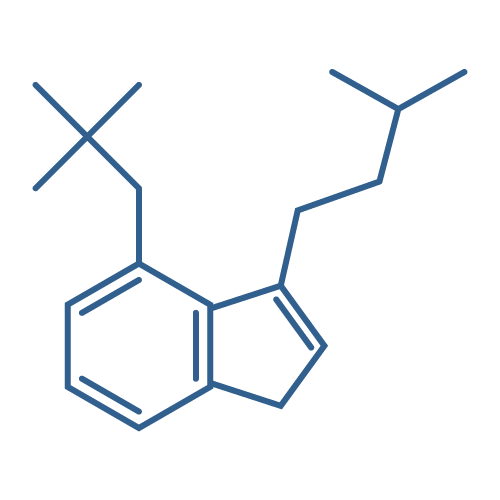
Mescaline is a naturally occurring psychedelic compound most commonly found in Peyote and San Pedro cacti, where it has been used for centuries in spiritual and ceremonial traditions. It can be given as a powder, capsules, or a brew. For those asking what is mescaline, it is a psychoactive substance that interacts primarily with serotonin receptors, producing a profound shift in perception, mood, and awareness. As a psychedelic drug, mescaline is unique in blending visual, emotional, and spiritual effects, often leaving participants with lasting feelings of clarity and connectedness.
Effects of Mescaline
Among the most valued mescaline effects are heightened creativity, deep introspection, an enhanced appreciation for nature, and a strong sense of unity with others. Many describe the experience as life-affirming, offering fresh perspectives on personal challenges and spiritual questions. Mescaline can make the ordinary feel extraordinary and mystical, while also bringing about emotional openness, increased empathy, and connected thought. Depending on the setting and mindset, effects may range from euphoria to profound spiritual insight.
Cultural and Legal Context
Mescaline has been used for millennia in Native American ceremonies as a tool for healing, guidance, and spiritual connection. In the United States, legal usage is restricted to peyote ceremonies and is limited to members of certain Native American communities. Outside of these contexts, mescaline remains a controlled substance, and its use is subject to strict legal limitations.